
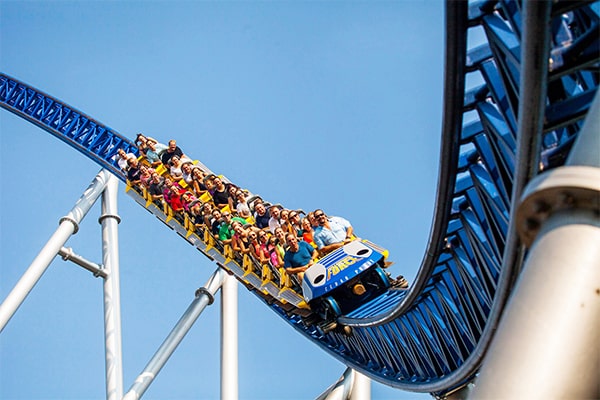
Running a roller coaster isn’t just about pushing a start button. It requires strategy, maintenance, and customer-focused operations. Whether you’re managing a small indoor coaster or a high-thrill outdoor model, these detailed tips will help you operate more smoothly, safely, and profitably.
1. Daily Inspection & Safety Checks
- Mechanical check: Inspect brakes, wheels, harnesses, and track integrity every morning.
- Control system check: Run diagnostics on PLC systems, sensors, and emergency stop circuits.
- Test rides: Always conduct at least 2–3 empty test runs before opening to the public.
- Record keeping: Log all inspections, repairs, and anomalies for tracking and compliance.
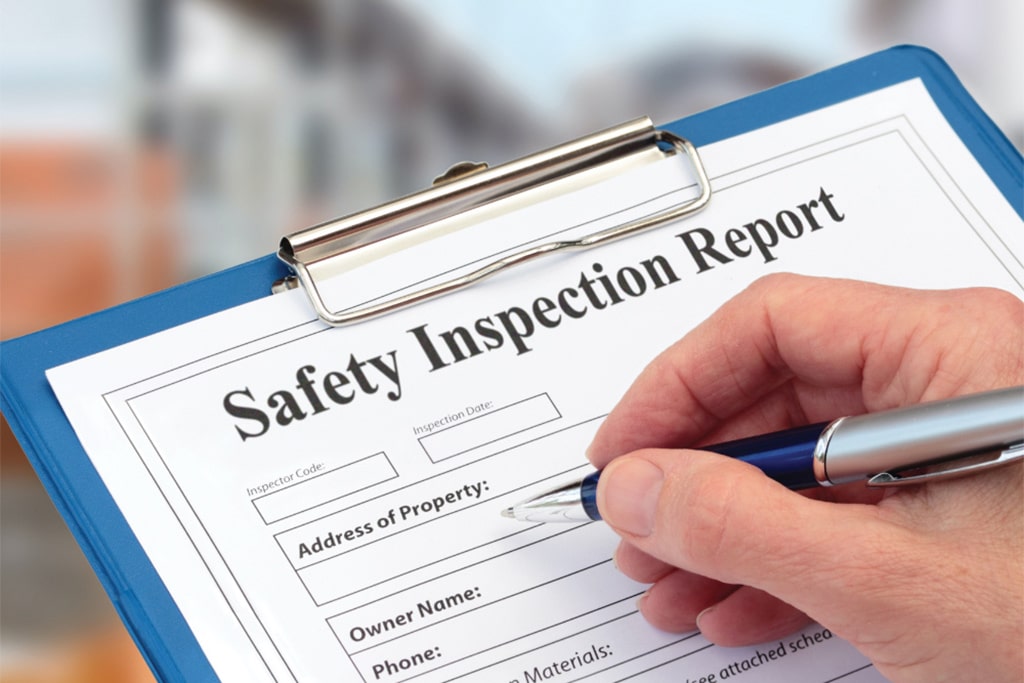
💡 Tip: Train your staff to identify early signs of wear-and-tear—prevention saves time and cost.
2. Queue Management & Throughput Efficiency
- Optimize ride cycle time: Balance speed and safety to ensure high throughput.
- Use digital signs: Show estimated wait times and safety instructions.
- Staff positioning: Place trained staff at loading and unloading points for fast turnover.
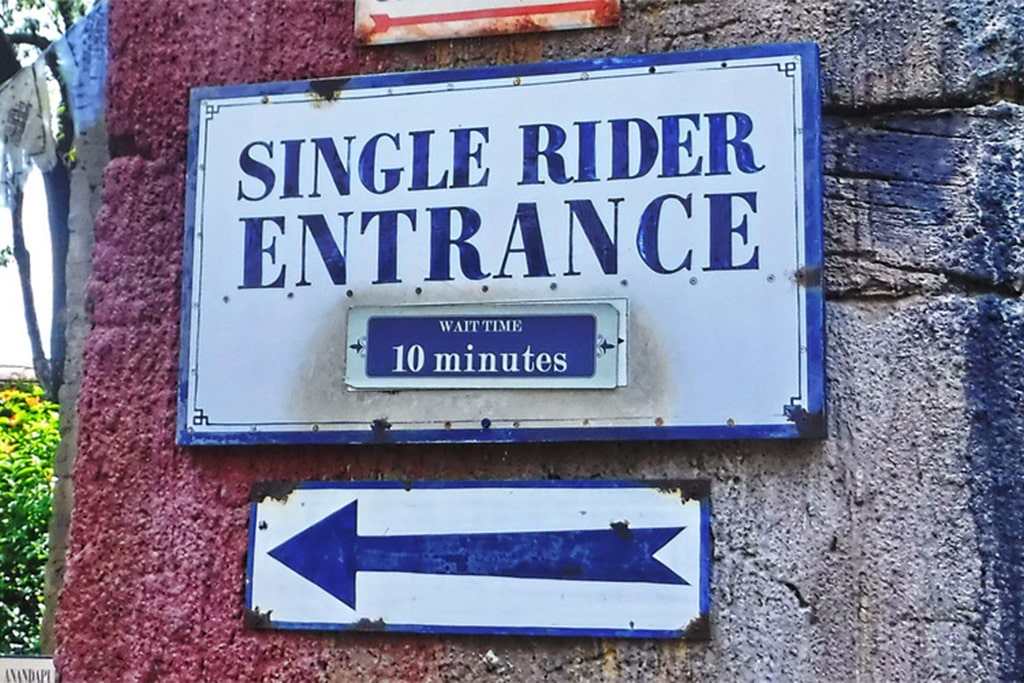
💡 Tip: Consider adding a single-rider line or timed ticketing system during peak seasons.
3. Maintenance Planning & Downtime Reduction
- Preventive maintenance schedule: Create weekly, monthly, and quarterly service routines.
- Spare parts inventory: Stock commonly worn parts like wheels, belts, and sensors.
- Technician training: Ensure your maintenance crew understands your specific coaster model.
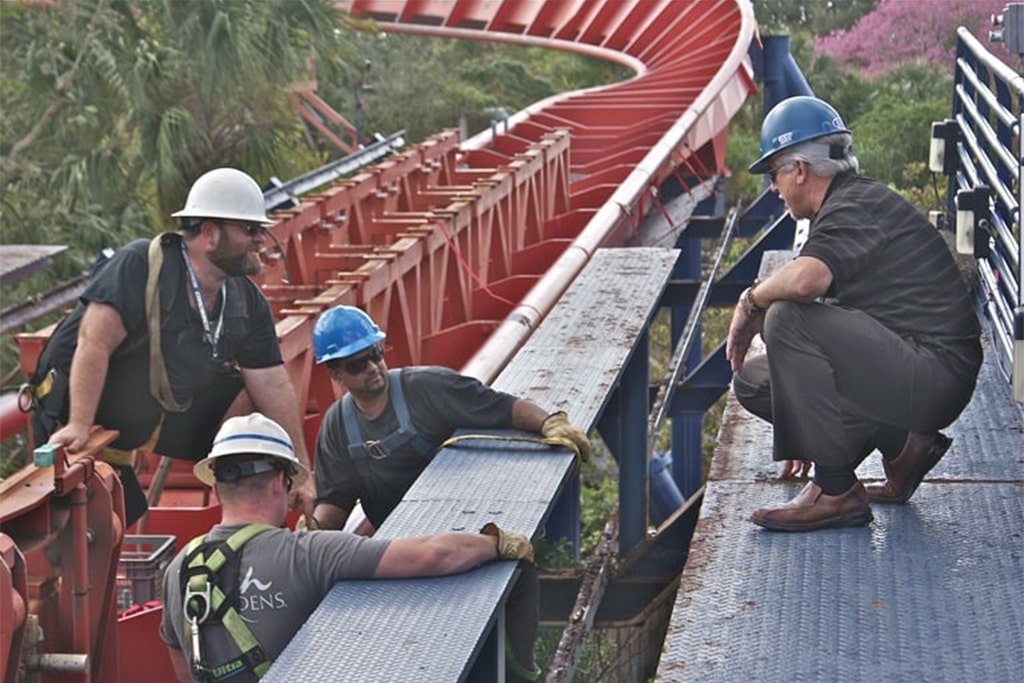
💡 Tip: Log operational hours per train/set to anticipate component fatigue and replacement.
4. Marketing & Revenue Maximization
- Bundle offers: Pair roller coaster tickets with food, games, or merchandise for higher spend.
- Ride sponsorships: Seek brand partnerships for naming rights or queue area displays.
- Seasonal campaigns: Launch themed events (Halloween, summer splash, etc.) around the ride.
💡 Tip: Use guest reviews and social media tags to attract new visitors.
5. Training & Staffing
- Onboarding program: Train new staff with real scenarios and safety drills.
- Cross-training: Allow operators to switch between roles to avoid burnout.
- Performance incentives: Reward punctuality, guest satisfaction, and low incident rates.
💡 Tip: Use guest reviews and social media tags to attract new visitors.
Operating a roller coaster is a blend of precision, showmanship, and discipline. By focusing on safety, efficiency, and guest experience, you not only reduce risk but also build a ride that guests trust and love. Whether you’re managing a mini roller coaster for children or a high-speed thrill machine, a well-run operation means repeat business and lasting success.


