

Children’s mini trains are among the most popular amusement rides in parks, malls, and scenic attractions. They are easy to operate, attract families, and create a lively atmosphere. For investors, one of the key decisions is choosing between Mini Electric Train vs Mini Fuel-Powered Train.
In the past, fuel-powered trains dominated because of their strong power and long endurance. However, in recent years, mini electric trains have become the preferred choice for many parks and operators. The reasons lie not only in technology and cost, but also in environmental awareness and customer experience.
Mini Electric Train vs Mini Fuel-Powered Train Comparison
Comparison
Mini Electric Train
Mini Fuel-Powered Train
Fuel/Drive System
Rechargeable batteries
Gasoline or diesel
Eco-friendliness
Zero emissions, quiet, suitable for indoors
Noise and exhaust, unsuitable for indoors
Operating Cost
Low, stable electricity cost
Higher, rising fuel prices
Maintenance
Simple motor, less frequent servicing
Complex engine, more frequent maintenance
Power
Moderate, limited on slopes
Strong, suitable for long routes and slopes
Endurance
Limited by battery capacity
Long endurance with quick refueling
Passenger Experience
Quiet, smooth, odor-free
Noisy, fuel smell, less comfortable
Market Trend
Growing demand with new battery tech
Declining demand due to restrictions
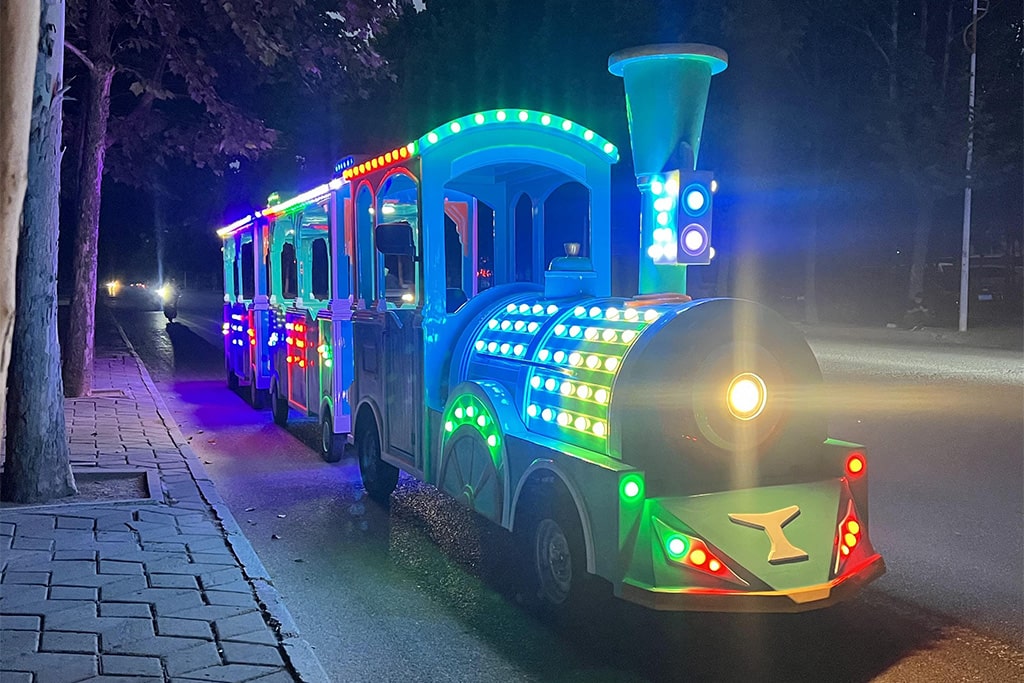
Gasoline vs Diesel in Fuel-Powered Small Train
Comparison
Small Gasoline Train
Small Diesel Train
Power Output
Moderate, smoother ride
Strong torque, heavy-duty
Noise Level
Lower noise, less vibration
Louder, more vibration
Exhaust
Lighter exhaust smell
Stronger exhaust smell
Fuel Efficiency
Less efficient
More fuel-efficient
Best Use
Crowded areas like malls, parks
Long-distance scenic routes
Most children’s trains are gasoline-powered because of their smoother and quieter ride. A small diesel train is more suitable for scenic areas and long routes where stronger torque is required.
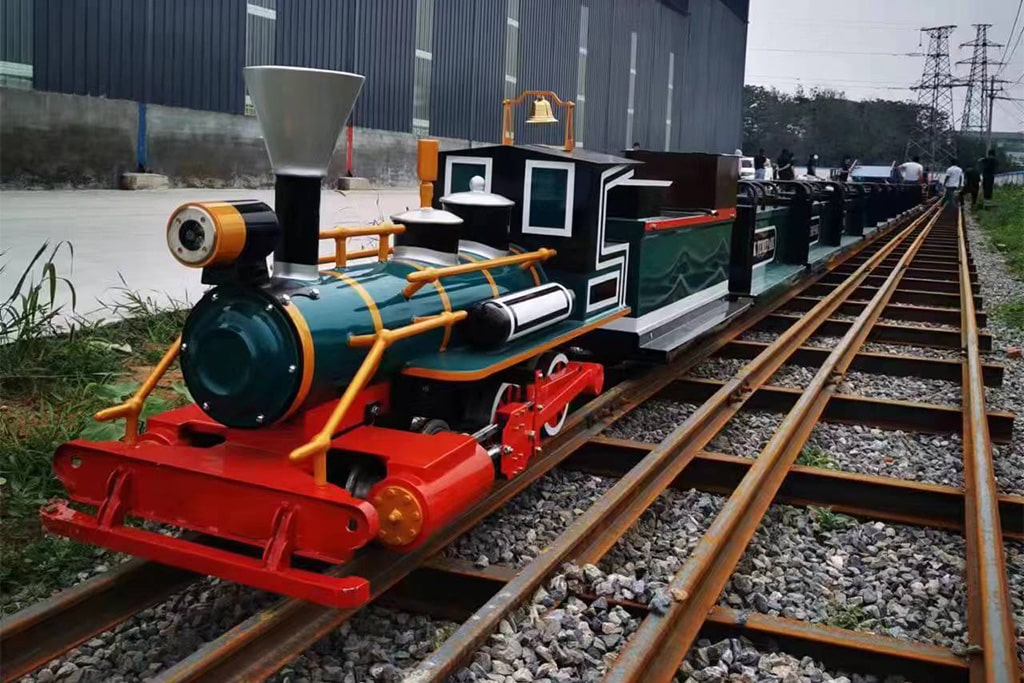
Why Mini Electric Trains Are Becoming More Popular
- Advances in battery technology – Modern lithium batteries offer longer runtime, faster charging, and better durability.
- Improved charging infrastructure – Many parks now provide charging stations, and some manufacturers offer quick-swap battery systems.
- Lower operating costs – Electricity is cheaper and more stable compared to volatile fuel prices, and maintenance is simpler.
- Environmental policies – Governments worldwide encourage eco-friendly rides, making mini electric trains easier to approve.
- Better passenger experience – Families prefer quiet, smooth, and odor-free rides, especially in indoor or family-oriented venues.
- Market demand shift – Manufacturers are focusing on electric models, and more park owners see them as a long-term investment.
- Sustainability image – Choosing electric trains aligns parks with green branding, which can attract more visitors.
In general, Both mini electric trains and mini fuel-powered trains have their roles. Gasoline-powered models remain common, and small diesel train still serve scenic routes with heavy loads. But the overall direction is clear: mini electric trains are becoming the mainstream choice, thanks to eco-friendliness, lower costs, and advancing technology.
For park owners and investors, the decision between Mini Electric Trains vs Mini Fuel-Powered Trains should be based on venue conditions, operating requirements, and long-term strategy.


